Understanding the Differences Between Various Acoustic Materials Types
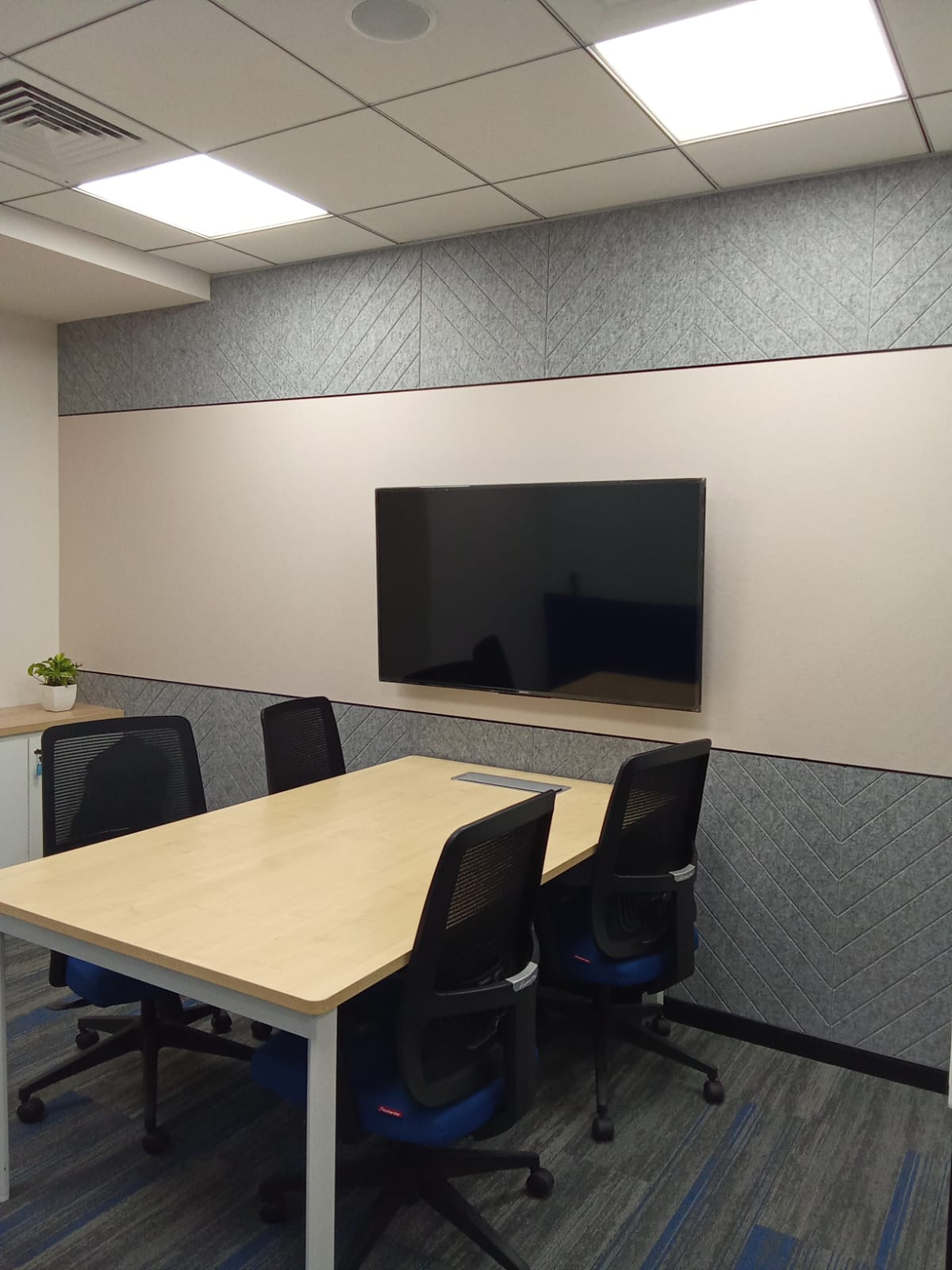
At Tranquil Global, we pride ourselves on being a premier manufacturer of high-quality acoustic materials, solid surfaces, and metal ceilings. Our innovative products are designed to enhance commercial and residential spaces' aesthetics, functionality, and acoustics. With a commitment to excellence and customer satisfaction, we offer diverse solutions to meet the unique needs of architects, designers, and builders worldwide.
Acoustics play a vital role in creating comfortable, productive, and sound-optimized spaces, especially as more attention is given to improving environments in offices, schools, homes, and public venues. Acoustic materials are designed to manage sound in diverse ways, reducing noise, enhancing audio quality, and improving overall space functionality. Let’s explore various types of acoustic materials, their distinct qualities, and which solutions best address specific sound management needs.
Acoustic board panels are a popular choice for both residential and commercial spaces due to their sound-absorbing properties and versatility. They are particularly effective at absorbing mid- to high-frequency sounds, reducing echo, and managing reverberations within a room. These panels can be made from various materials, including mineral wool, fiberglass, and foam, each offering unique advantages depending on the environment.
One of the primary benefits of acoustic board panels is their flexibility in application. Available in multiple sizes, colors, and patterns, these panels can be mounted on walls or ceilings, or even used as partitions to create semi-private spaces in open areas. For instance, in office environments, placing acoustic board panels on walls or desk dividers helps maintain privacy and minimize distractions, allowing employees to focus better.
Beyond offices, these panels are also favored in schools, studios, and public spaces. For example, in schools, classrooms equipped with acoustic board panels experience significantly less background noise, improving both teaching and learning outcomes. When choosing these panels, consider the space's purpose and required level of sound absorption, as certain materials offer enhanced performance.
2. PET Acoustic Panels
PET acoustic panels are a sustainable option, crafted from recycled polyester (hence the term PET, which stands for polyethylene terephthalate). Known for their eco-friendly properties, PET acoustic panels are also highly durable, lightweight, and easy to install. These panels perform well in environments that prioritize sustainability without sacrificing acoustic performance.
Because PET acoustic panels are non-toxic and allergen-resistant, they are widely used in schools, hospitals, and corporate spaces. They are also fire-resistant and moisture-proof, making them suitable for areas with strict safety requirements. Aesthetically, PET acoustic panels are available in a variety of colors, shapes, and thicknesses, offering endless possibilities for creative designs that blend seamlessly with modern interiors.
The acoustic performance of PET acoustic panels is comparable to traditional foam or fiber panels, effectively reducing sound waves and preventing echo. Their lightweight nature also allows for flexibility in installation, as they can be suspended, wall-mounted, or arranged in modular configurations to meet the unique design and acoustic needs of a space.
3. Wooden Acoustic Panels
Wooden acoustic panels combine functionality with aesthetics, offering a natural look that enhances the visual appeal of any space. These panels are crafted from natural wood or wood-based materials, often featuring perforated or slotted surfaces to improve sound absorption. Wooden acoustic panels are highly effective in controlling mid- to high-frequency sounds, making them ideal for spaces that require acoustic control without compromising on style.
The warm, earthy tones of wooden acoustic panels make them a popular choice for upscale environments such as hotel lobbies, conference rooms, and theaters. The aesthetic appeal of these panels adds warmth and sophistication, providing a dual benefit of acoustic management and design enhancement. Moreover, wood is a durable and long-lasting material, which means wooden acoustic panels often provide value over time compared to other materials.
When selecting wooden acoustic panels, it’s essential to consider the type of wood and the panel’s finish. Certain wood types, such as oak and walnut, offer better sound absorption and durability, while others may be selected based on aesthetic preference. By integrating wood acoustic paneling in a space, designers achieve a balance of functionality and style, enhancing the environment while maintaining acoustic quality.
4. Wood Acoustic Paneling
Wood acoustic paneling refers to a broader category of wood-based solutions that address acoustic needs. Unlike standalone wooden panels, wood acoustic paneling can cover larger surfaces, such as entire walls or ceilings, for more comprehensive sound management. This approach is ideal for spaces that require extensive acoustic coverage, such as large conference rooms, auditoriums, and concert halls.
Wood acoustic paneling provides a seamless and cohesive look, with the advantage of continuous sound absorption across a wider area. Additionally, this method offers flexibility in design, allowing for custom patterns, shapes, and finishes to match or contrast with the surrounding decor. Due to its robust construction, wood acoustic paneling can also withstand high-traffic areas, making it suitable for public spaces and commercial venues.
5. Acoustic Baffle Ceiling
Acoustic baffle ceilings are an excellent solution for managing sound in large, open spaces, particularly those with high ceilings. These panels are typically suspended vertically from the ceiling, creating a floating effect that enhances sound absorption and controls echo. The design of acoustic baffle ceilings allows for air circulation, making them suitable for spaces that require high levels of ventilation, such as airports, sports arenas, and exhibition halls.
The primary benefit of acoustic baffle ceilings is their ability to absorb sound from multiple directions, which is essential in spaces with high activity levels. In addition to their acoustic performance, acoustic baffle ceilings offer design flexibility, allowing architects and designers to experiment with patterns, colors, and configurations. By adjusting the distance and angles between baffles, unique visual effects can be created, adding a sense of movement and depth to the ceiling design.
When choosing acoustic baffle ceilings, it’s essential to consider the material and size of the baffles, as these factors impact sound absorption and overall aesthetics. Options include PET acoustic panels, wood, or fabric-covered panels, each offering a distinct look and performance level. Proper installation and placement are key to maximizing the acoustic benefits and achieving a harmonious blend of form and function.
6. Mass Loaded Vinyl (MLV)
Mass loaded vinyl (MLV) is a highly effective soundproofing material designed to block rather than absorb sound. Made from a dense vinyl material, MLV is commonly used in walls, floors, and ceilings to reduce sound transmission between rooms. Its high density allows it to act as a sound barrier, blocking low-frequency sounds that other materials might struggle with.
One of the biggest advantages of mass loaded vinyl is its versatility. It can be used in various applications, from home theaters and recording studios to industrial settings that require noise control. Additionally, MLV is flexible and easy to install, making it suitable for retrofitting existing spaces. It is often used in conjunction with other acoustic materials, such as acoustic board panels or wood acoustic paneling, to achieve optimal soundproofing.
For spaces that need to control sound transmission, such as apartments, hotels, or office buildings, mass loaded vinyl is a highly effective option. Its dense structure makes it ideal for spaces where noise control is crucial. When installing MLV, it’s essential to secure it properly to prevent gaps that could compromise its effectiveness.
Choosing the Right Acoustic Material for Your Space
Selecting the appropriate acoustic material depends on the specific needs of the environment. Here are a few factors to consider:
Purpose of the space: For example, a conference room requires privacy and minimal distractions, making acoustic board panels or wood acoustic paneling ideal. In contrast, a recording studio may benefit more from mass loaded vinyl for soundproofing.
Design aesthetic: Spaces that emphasize natural elements may opt for wooden acoustic panels or wood acoustic paneling. Conversely, modern designs might incorporate PET acoustic panels or acoustic baffle ceilings for a sleek, sustainable look.
Budget: Each material has different cost implications. For example, PET acoustic panels may be more cost-effective for large installations, while wooden acoustic panels might suit higher-end applications.
Maintenance and durability: Some materials, like mass loaded vinyl, require minimal maintenance but might need professional installation, while PET acoustic panels are easy to clean and maintain.
Summary
In conclusion, each type of acoustic material offers unique benefits suited to different applications and design preferences. Whether prioritizing aesthetics, sound absorption, or soundproofing, choosing the right combination of materials can transform a space into a functional and comfortable environment that meets the highest acoustic standards.